ISTV Newsletter – November
18/10/2025

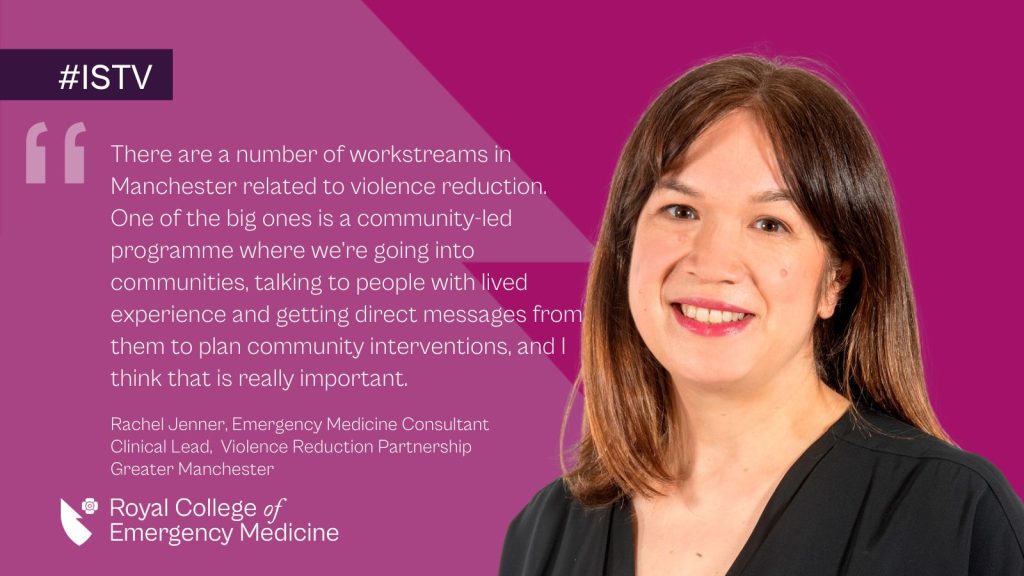
This monthâs ISTV update highlights how emergency departments, community partners and violence reduction units are working together to prevent harm and keep communities safer. Dr Rachel Jenner, Emergency Medicine consultant and Clinical Lead for Greater Manchesterâs Violence Reduction Unit, shares how ISTV data is being used locally to deliver targeted, clinically-led interventions. By working with police, ambulance services and community organisations, teams in Manchester are identifying areas of concern and supporting young people through hospital-based youth work programmes, including the Hospital Navigator initiative delivered by Oasis UK.
The newsletter also showcases innovative community engagement, such as âStop the Bleed Dayâ, where Year 7 students learned essential bleeding-control skills using simple, accessible techniques.
A new ISTV podcast is now available, featuring experts discussing what works in violence prevention, the importance of reliable ED data, and the long-term impact of the Cardiff Model. The conversation explores how collaborative, evidence-based approaches can reduce violent incidents and strengthen local prevention strategies.
Finally, the update calls on all ED staff to support ISTV by championing good data collection practices. Branded resources have been shared with departments to keep ISTV visible and reinforce the essential role clerical teams, clinicians and healthcare workers play in tackling violence.
ISTV in Practice: Greater Manchester – Behind every piece of anonymised data is a person with a story
12/10/2025
In Greater Manchester, Information Sharing to Tackle Violence (ISTV) is being used to make a real difference. Led by Dr Rachel Jenner, Emergency Medicine Consultant and Clinical Lead for the Greater Manchester Violence Reduction Unit, the region has developed innovative, community-focused programmes that use shared hospital, police, and ambulance data to identify and support those most at risk.
Initiatives include the Hospital Navigator Programme, where youth workers from Oasis UK provide on-site and community support for victims of violence, and Stop the Bleed Day, which equips school students with lifesaving first-aid skills. Other projects, such as UniteHER, use sport to empower girls and young women while fostering positive relationships and confidence.
These clinically-led, data-driven interventions show how ISTV can extend far beyond hospital wallsâinto schools, communities, and homesâto break cycles of violence and improve long-term health and wellbeing.
Preventing serious violence using ED data
Your hospital. Your community. The part you play.
âInformation Sharing to Tackle Violence (ISTV)â is a national programme which sets to reinvigorate the recording of data in EDs.
The overall aim is to help reduce serious violence â a role in which those working in EDs play a critical part.
- When we know where and how people are injured, up to one-third of injuries from violence can be prevented
- Research shows violence-related injuries treated in the ED decreases by up to one-third when data is collated effectively
- Information is shared anonymously with community safety partnership teams with the aim to prevent violence-related injuries, especially knife and gang related assaults.
We are asking all EDs to read and adopt the new Standard Operating Procedure (SOP).
Three short films have been produced to help those inputting data to show why their support is important, how they can make a difference and the detail that will help form the bigger picture. Please also see Documentation below.
NHS Poster for hospital waiting areas âWe need your help to make our communities saferâŠâ
ISTV introductory videos
The Greater Manchester Violence Reduction Unit â Rachel Jenner
ISTV in London â Adam Woodgate
The Cardiff Model for Violence Prevention â Jonathan Shepherd
The Serious Violence Duty â Laura Baynton and Neil Round
Violence Prevention Data Sharing and the ED â Katie Wright
Violence Reduction Data in the ED â Michael Cheetham