09.06.26
By Mike Hill, Emergency Medicine Consultant, Royal Navy Surgeon Commander, RCEM’s Equality, Diversity and Inclusion Committee Co-Chair, Royal Navy Enabled Network Chair and LGBT Foundation a Trustee.
I have often reflected on how different my career might have been had I started it a decade earlier…
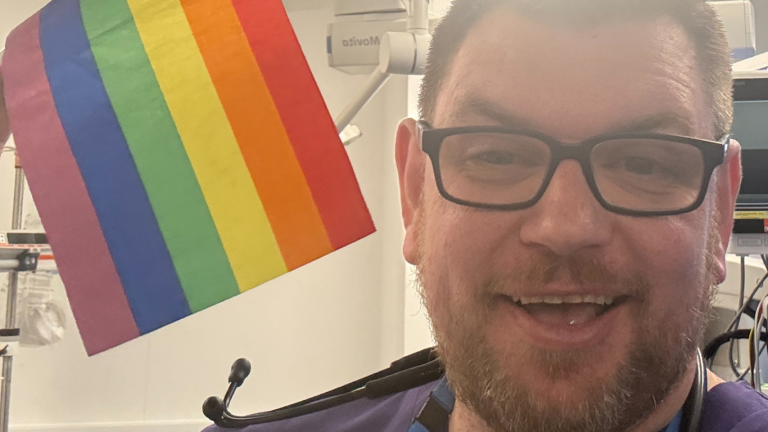
Made by the Royal Navy
As a gay man, I entered the Royal Navy only a few years after the ban on LGBTQ+ people serving had been lifted. In 2006, I marched with the Royal Navy at Pride for the first time. We were a small group and there was still significant hostility towards LGBTQ+ people in some parts of society. Some participants received abuse and threats simply for being visible. Yet what I remember most clearly is the overwhelming support from the crowds. As we marched, people began applauding. The cheers grew louder and louder until they became spontaneous waves of encouragement. It was one of the first times I truly felt that I did not need to hide who I was. That experience taught me the importance of visibility. When people see someone like themselves succeeding, it helps them believe they belong too.
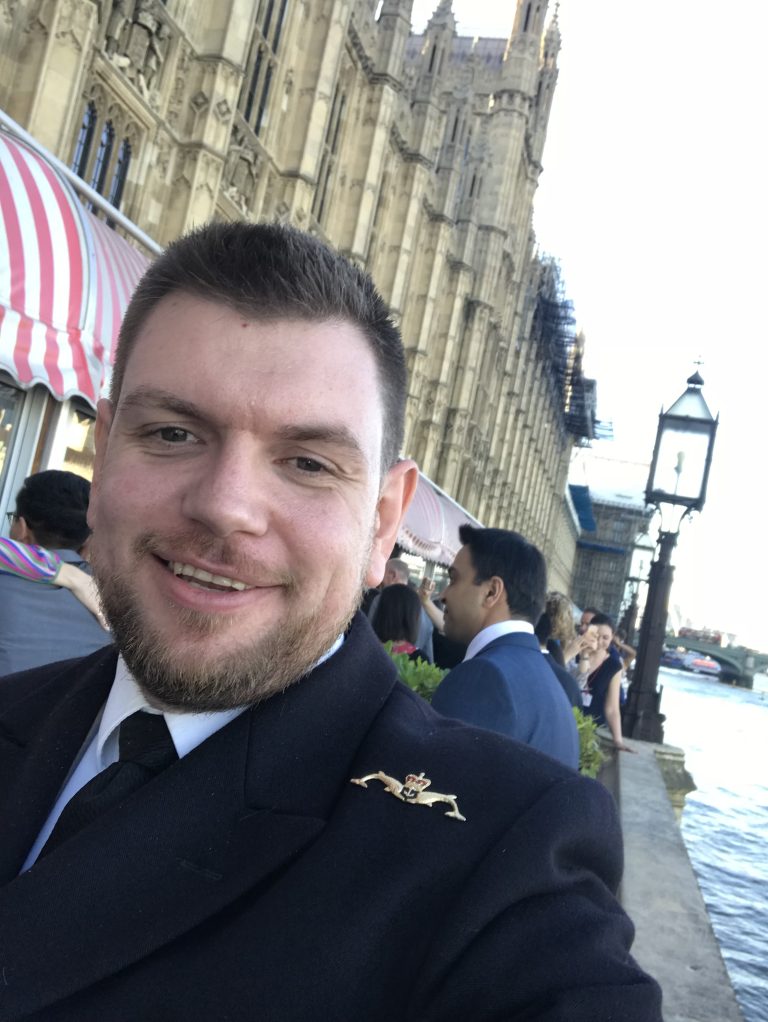
More (Invisible) Challenges
Later in my career, I faced another challenge. During specialty training I was diagnosed with a pancreatic tumour and ulcerative colitis. Like many people with hidden disabilities or long-term health conditions, much of what I was experiencing was invisible to those around me. There were periods where I had to shield during the pandemic and times when managing my health felt as demanding as managing my career.
Those experiences gave me a different perspective on inclusion. Equality is not simply about policies or protected characteristics. It is about understanding that every colleague brings experiences, challenges and strengths that may not be immediately visible. It is about creating workplaces where people feel safe to ask for support without fear of judgement.
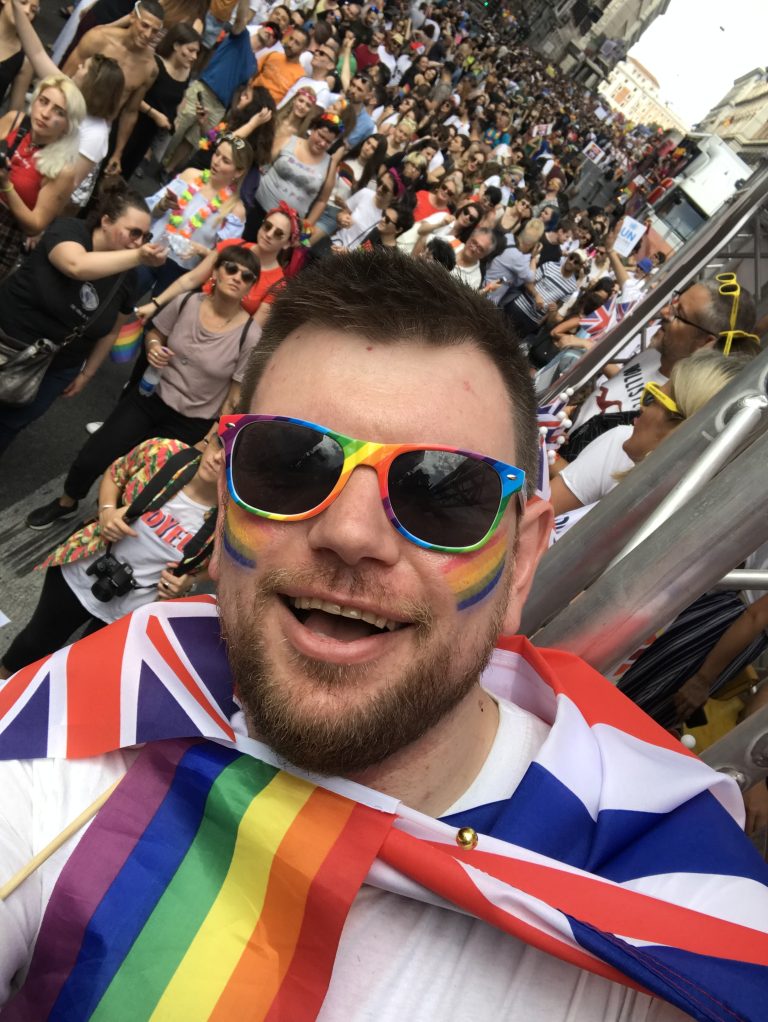
Building confidence through inclusivity
Emergency Medicine is built on teamwork. Every shift depends on people with different backgrounds, experiences and perspectives coming together to make good decisions under pressure. We care for diverse communities, and our workforce should reflect those communities. Inclusion is therefore not simply a moral aspiration. It is fundamental to delivering excellent patient care.
When people feel they belong, they are more likely to contribute, challenge unsafe practice, innovate, stay in the workforce and support one another through difficult circumstances. At a time when some communities are experiencing a rollback in rights and protections, and when there is a growing tendency towards majoritarian thinking where the needs of minorities can be overlooked, organisations such as RCEM have an important role to play. We cannot control the wider social and political climate, but we can choose the culture we create within our profession.
RCEM has the opportunity to be a beacon for inclusion. A College that welcomes difference, values lived experience and creates opportunities for everyone to thrive is stronger, more resilient and better able to serve both its members and patients. Inclusion is not about lowering standards or creating advantage. It is about ensuring that talented people are not excluded by unnecessary barriers and that every member of our workforce can contribute their best.
That is why I remain passionate about equality, diversity and inclusion. I have seen first-hand how representation can inspire confidence, how supportive colleagues can transform difficult experiences, and how inclusive organisations help people reach their full potential. Progress does not happen by accident. It happens because people are willing to be visible, to share their stories and to make things better for those who follow. My hope is that by sharing my own experiences, others will feel less alone and more confident that they belong in Emergency Medicine exactly as they are. In a specialty that cares for everyone, there should be a place for everyone.
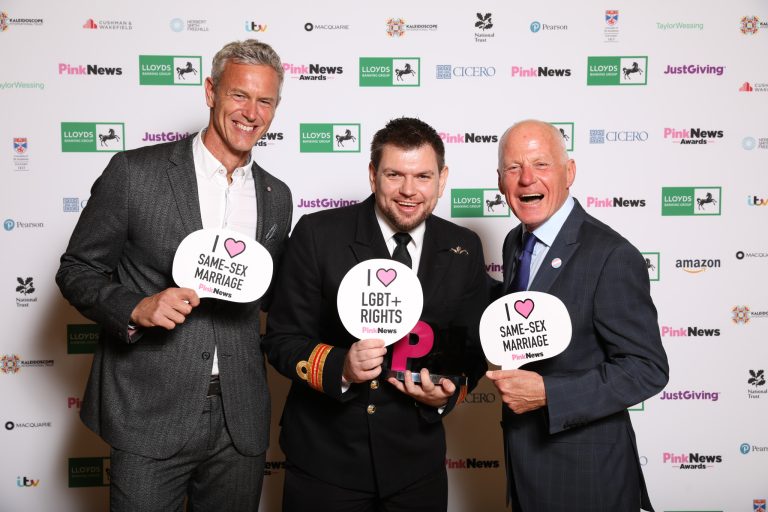
About the Author:
Dr Mike Hill is a Consultant in Emergency Medicine at St Mary’s Hospital, London, and a Surgeon Commander in the Royal Navy. He is Co-Chair of the Royal College of Emergency Medicine Equality, Diversity and Inclusion Committee, Chair of the Royal Navy Enabled Network, and a Trustee of LGBT Foundation. Mike has spent many years advocating for inclusion across healthcare and defence, drawing on his own experiences as a gay man and as someone living with hidden disabilities and long-term health conditions. He is passionate about creating environments where people can bring their authentic selves to work and thrive.
Share Your Story
This blog is part of RCEM’s Share Your Story campaign, an initiative that invites the EM community to share their written or video experiences to help build inclusion, understanding, and equality across our specialty. We welcome contributions for medical awareness and diversity days throughout the year, chosen in collaboration with our EDI Committee and NHS Employers.