05.02.26
By Dr Naazia Siddiqua, Senior Resident, Emergency Medicine, AIIMS New Delhi
Emergency Medicine teaches us to run many surveys, yet I’ve come to realise that the most important one takes place before any clinical work begins.
At the start of every shift, I practise a brief, human‑centred check‑in I call the ‘Zero Point Survey’. It isn’t about ventilators, drugs, or airway kits. It’s about people, the team and ensuring that we are connected, grounded, and ready before alarms sound and stretchers roll in.
Zero Point Surveys are a short team‑readiness check carried out at the start of each shift to build psychological safety before the first patient encounter. Conducted during shift handover or just before clinical work begins, it involves a brief introduction and well‑being check with all staff on duty.
This simple pause ensures that the team is mentally, emotionally, and practically prepared to manage critically ill patients, fostering trust, psychological safety, and shared ownership of resuscitations. Unlike equipment checks, the Zero Point Survey focuses on the readiness of the people, not the tools.
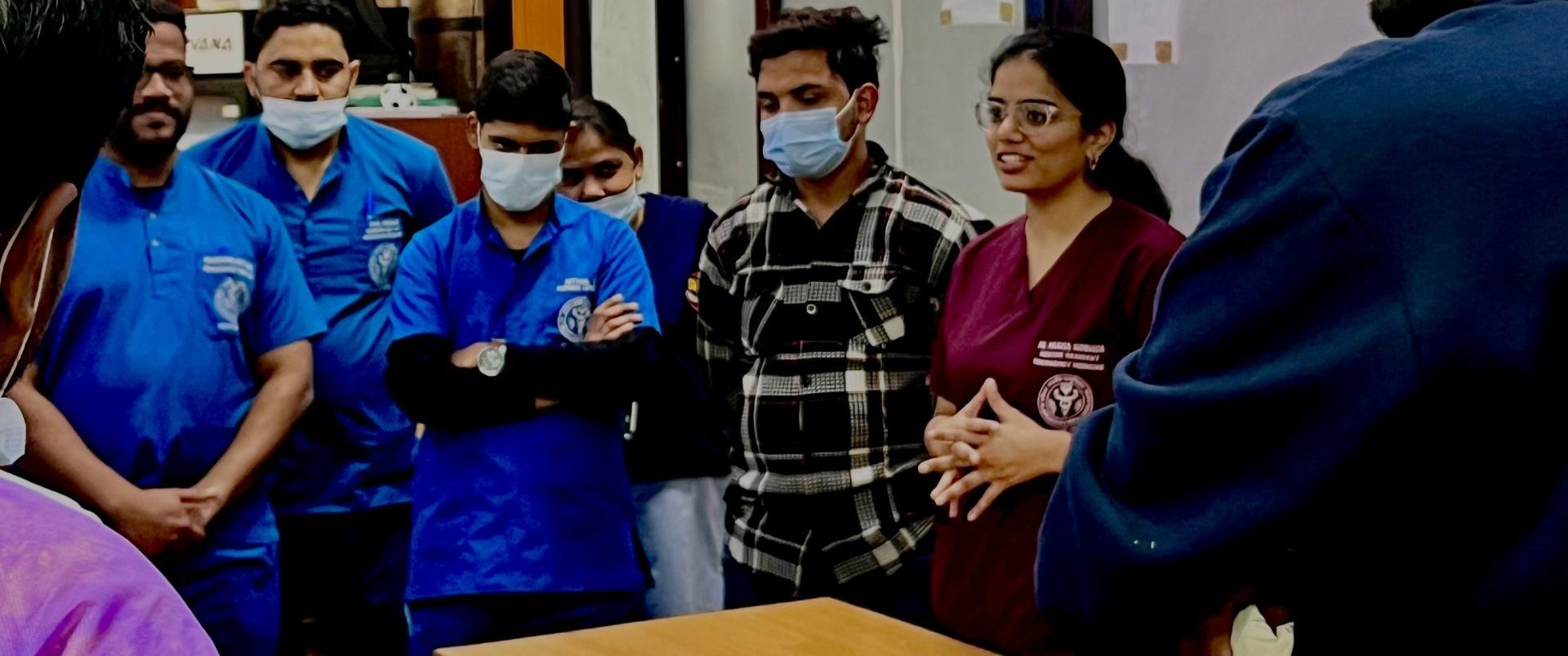
Zero Point Survey Checklist
The survey can take up to five minutes and covers:
- Introducing yourself clearly as the shift lead.
- Acknowledge every person present, regardless of role.
- Asking simple, human questions:
- “How are you today?”
- “Are you comfortable managing sick patients today?”
- “Is anything troubling you or affecting your focus?”
- Gentle observations — body language often tells you more than words.
- Make small but meaningful adjustments:
- Redistribute workloads
- Clarify roles
- Modify resus bay layout
- Reinforce the core message: “We work as a team, and we look out for each other.”
The Zero Point Survey was devised by Dr Cliff Reid, a Prehospital Critical Care Physician & Educator in Sydney, Australia, who involved clinicians from around the world in its development. If you’d like to learn more, you can find the open access publication which appears in the Clinical and Experimental Emergency Medicine journal. Similarly, you can visit RCEMLearning website to enhance your overall handover skills.
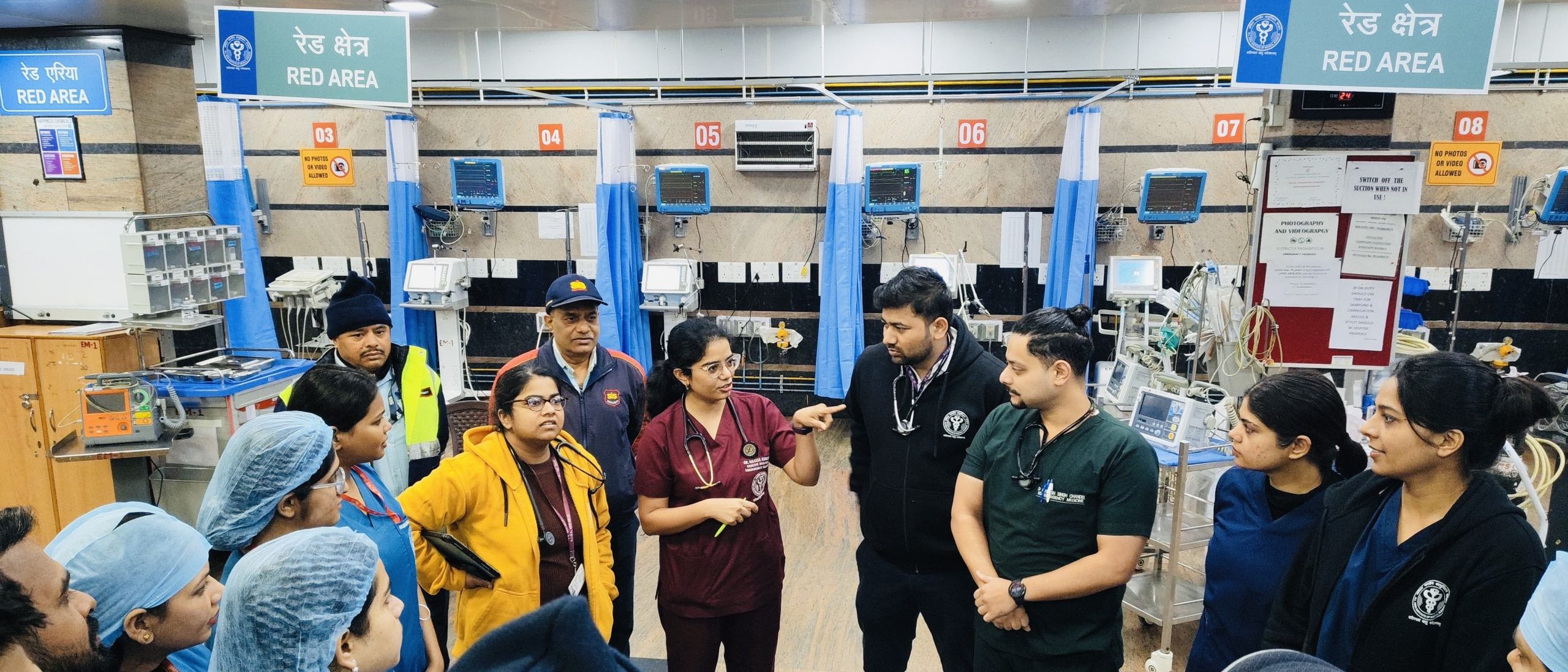
A Moment That Changed Our Team
There was very little sense of shared accountability during resuscitations before incorporating the Zero Point Survey into our routine. Tasks were assumed rather than owned. Communication was reactive. And many non‑clinical staff felt peripheral to patient care.
Over time, a clear pattern emerged: Resuscitations went better when the shift started with a Zero Point Survey.
When people felt acknowledged from the start, roles were taken up more proactively, communication became clearer, and staff stepped forward instead of waiting to be asked.
What surprised me most was the enthusiasm. Staff began requesting the Zero Point Survey at the start of shifts. They felt visible. They felt valued. And they felt essential — not just as supporting hands, but as contributors to patient outcomes.
That shift — from passive presence to active ownership — taught me something simple but powerful: Accountability in the ED is not built through hierarchy. It is built through inclusion. When people feel they matter, they act like they matter.
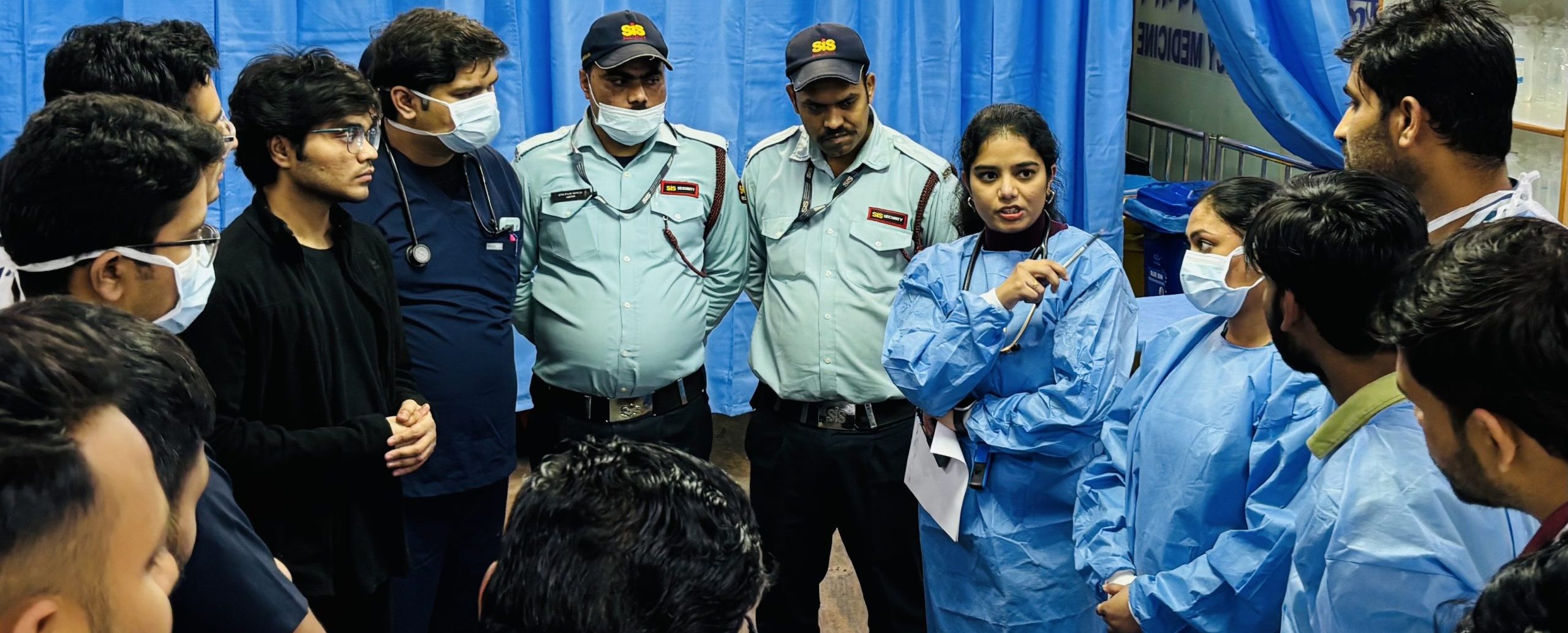
The Ripple Effect on Patient Care
The Zero Point Survey didn’t just improve morale — it transformed the entire resuscitation ecosystem. Because team members felt respected and psychologically safe, they were far more open to operational changes, including updates to the resuscitation bay layout, adjustments to role allocation, smoother workflow improvements, and clearer communication practices.
With trust established, compliance became collaborative rather than directive. Resuscitations stopped feeling like isolated tasks and started feeling like what they truly are: a team sport.
Emergency Medicine is often perceived as doctor‑centric or nurse‑centric, but the truth is broader. A single missed phone call, a delayed trolley, an unsafe floor, or an absent runner can jeopardise a resuscitation. Every cadre matters.
No one should feel invisible in the Emergency Department, and so I encourage every ED clinician — consultants, registrars, senior residents, and team lead — to try a Zero Point Survey at the start of their next shift. It takes only a few minutes, yet it builds trust, clarity, morale, and ultimately strengthens patient care. In Emergency Medicine, no role is minor, no voice is irrelevant, and no resuscitation is ever a solo effort. Teamwork doesn’t begin at the bedside; it begins at zero point.

About the author
Dr Naazia Siddiqua is an Emergency Medicine physician who completed her MD at AIIMS, New Delhi, where she is a Senior Resident. She has over five years’ experience working in a high-volume tertiary Emergency Department. Her clinical interests include POCUS, toxicology, resuscitation systems, team dynamics and psychological safety in emergency care.
Share Your Story
This blog is part of RCEM’s Share Your Story campaign, an initiative that invites the EM community to share their written or video experiences to help build inclusion, understanding, and equality across our specialty. We welcome contributions for medical awareness and diversity days throughout the year, chosen in collaboration with our EDI Committee and NHS Employers.