

Organisational Culture in the Emergency Department
Organisational culture in Emergency Medicine (EM) has emerged as a significant contributory factor to workplace behaviour and performance, including patient outcomes, and patient and staff experience.
‘The system has to change’ as staff and patients continue to suffer due to overcrowding
Overcrowding and ambulance delays continue to pose “extreme challenges” for A&E staff and patients, says RCEM

College Exams Transformation Project Update
A year after the conclusion of our Exams Internal Reviews, we would like to share an update of the work…
‘Difficult to celebrate slight improvements’ as patients face extended A&E waits
It is difficult to celebrate slight improvements as patients and staff bear the brunt of long waits says RCEM.
Almost 300 deaths a week in 2023 associated with long A&E waits despite UEC Recovery Plan
New analysis by the Royal College of Emergency Medicine reveals that there were almost 300 deaths a week associated with long A&E waits in 2023
Reducing high bed occupancy figures ‘critically important’ for future of Emergency Care, says RCEM
This is the response from The Royal College of Emergency Medicine (RCEM) following the release of new NHS Planning Guidance.
Excessive ambulance delays impacting patients and staff
Overcrowding in hospitals and a lack of social care options are adding to ambulance delays, says The Royal College of Emergency Medicine (RCEM.)
Overwhelmed EDs are struggling to meet the needs of patients who are suicidal or self-harming
Whilst triage times have improved, mental and physical assessments must happen quicker to reduce the risk of absconding.
RCEM Statement on the Middle East situation
The College has issued the following statement regarding the situation in the Middle East.
Hospital bed occupancy rates remain ‘dangerously’ high
The immense pressures permeating though the health care system this winter are still apparent with hospitals in England remaining ‘dangerously’ full.
Reducing distressingly long wait times will be ‘huge mountain to climb’
Collaboration and support are required to reduce “distressingly” long waits in Welsh Emergency Departments.
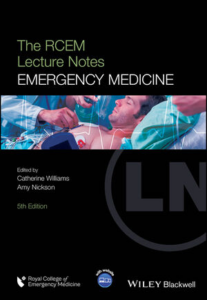
Vital Book for Emergency Medicine
A book which presents important need-to-know information for all those involved in treating patients in an emergency setting has just been updated and re-published.

Welsh Government commits to RCEM’s GreenED programme
The Welsh Government has today announced that all Emergency Departments in Wales will take part in RCEM’s GreenED sustainability programme.

A&E performance improvements “difficult to celebrate” as one in nine people wait 12 hours or more
The government must focus on reducing the longest A&E wait times, instead of “celebrating small improvements.”
10,000 bed deficit in England’s major hospitals
Planned funding allocation for healthcare is ‘a drop in the ocean’ says RCEM.
Feeling vulnerable should never be considered ‘part of the job’
Responding to the national NHS Staff Survey results published today, Dr Adrian Boyle, President of the Royal College of Emergency Medicine, said: